
 By Backlinks Hub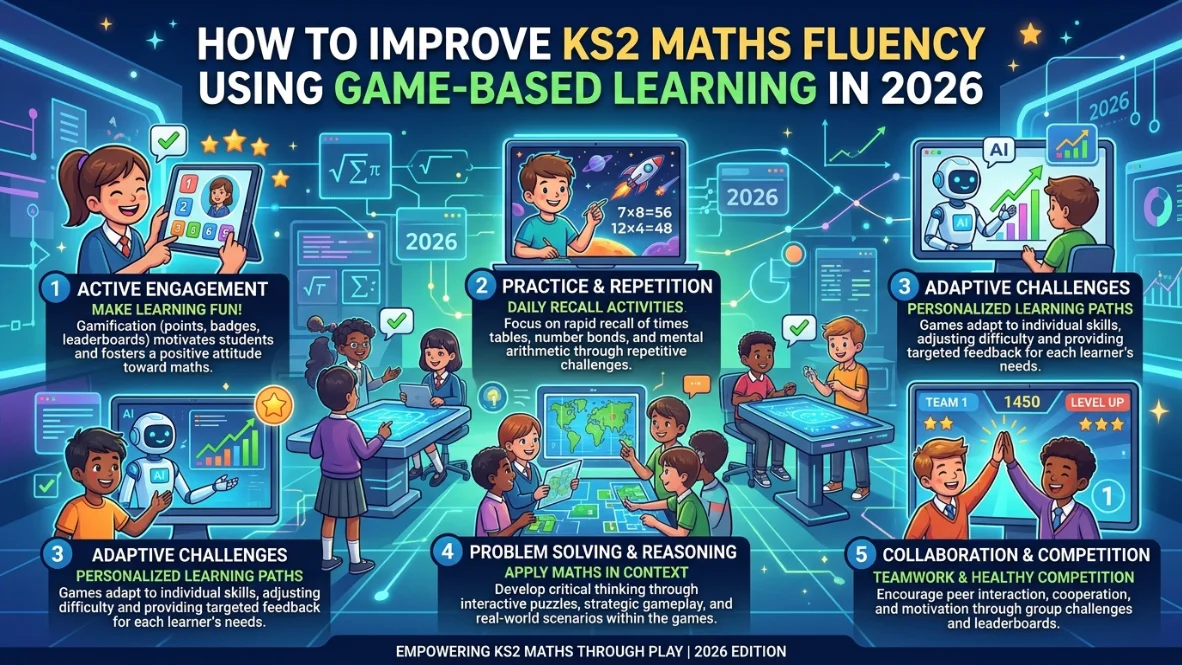
In 2026, KS2 maths education continues to evolve as schools and teachers move away from purely traditional teaching methods and adopt more interactive, student-centered learning approaches. One of the most effective methods of gaining momentum is game-based learning, which helps students build math fluency through engagement, repetition, and problem-solving in a fun environment.
Teachers can further support learning by linking math concepts to real-world services and systems. For example, understanding measurement and efficiency can be compared to real-world systems like given indoor air quality houston, where precision and calculations help maintain healthy environments.
Similarly, problem-solving and logical thinking in maths can be compared to structured systems in technical fields such as commercial refrigeration houston, where accuracy and performance directly affect outcomes.
Math fluency is not just about speed—it is about accuracy, confidence, and the ability to apply mathematical thinking in different situations. Game-based learning helps students achieve all three by turning practice into an engaging experience instead of a repetitive task.
What Is KS2 Maths Fluency?
KS2 maths fluency refers to a student’s ability to:
- Quickly recall number facts (like multiplication tables)
- Apply mental maths strategies efficiently
- Solve problems accurately without hesitation
- Understand number relationships
A fluent maths learner is confident, flexible, and able to choose the right method quickly.
Why Game-Based Learning Works in KS2 Maths
Traditional methods like worksheets and timed tests still have value, but they often lead to boredom and anxiety. Game-based learning improves fluency by:
- Encouraging repeated practice in a fun way
- Providing instant feedback
- Reducing pressure and anxiety
- Supporting different learning styles
- Increasing engagement and motivation
Students are more likely to practice maths consistently when it feels like a game rather than a test.
1. Repetition Without Boredom
Fluency requires repetition, especially in areas like times tables and number bonds. However, repetition through worksheets can feel repetitive and discouraging.
Game-based learning solves this by turning repetition into challenges, levels, and rewards. Students naturally repeat problems multiple times without realizing they are practicing.
This leads to stronger long-term memory and faster recall.
2. Building Confidence Through Low-Stress Learning
Many KS2 students struggle with maths anxiety, especially during timed assessments.
Games reduce this pressure by:
- Allowing multiple attempts without penalty
- Offering positive reinforcement
- Creating a safe learning environment
When students feel less pressure, they are more willing to attempt harder problems, which improves fluency over time.
3. Real-World Learning Connections
Game-based learning often helps students understand how maths applies in real situations. Instead of memorizing abstract numbers, they learn through interactive challenges and scenarios.
These real-world connections help students understand why maths fluency matters beyond the classroom.
4. Improving Mental Maths Speed
Many KS2 maths games are designed with timers or challenges that require quick thinking. This naturally improves:
- Number recognition speed
- Mental calculation ability
- Pattern recognition
Over time, students become more confident and faster at solving problems without relying heavily on written methods.
5. Supporting Different Learning Styles
Not all students learn in the same way. Some are visual learners, others prefer hands-on interaction, and some learn best through repetition.
Game-based learning supports all styles by offering:
- Visual feedback (colors, animations, diagrams)
- Interactive engagement (drag-and-drop, puzzles)
- Logical reasoning challenges
This inclusivity helps more students achieve maths fluency.
How Teachers Can Use Game-Based Learning Effectively
🎯 Start Lessons with Quick Games
A 5–10 minute maths game at the beginning of a lesson helps activate prior knowledge and improve focus.
🎯 Reinforce New Concepts
After teaching a topic, games can reinforce understanding through practice and repetition.
🎯 Encourage Group Competition
Team-based games help students collaborate while improving engagement.
🎯 Use as Homework Alternatives
Instead of worksheets, assign interactive maths games that students can complete at home.
The Role of Parents in Maths Fluency
Parents also play an important role in developing KS2 maths fluency. They can:
- Encourage short daily maths games
- Use real-life examples like shopping or cooking
- Focus on consistency rather than long study sessions
Even 10–15 minutes of daily practice can significantly improve fluency over time.
Challenges of Game-Based Learning (And Solutions)
1. Overuse of Games
Too many games can reduce focus.
Solution: Balance games with structured teaching.
2. Lack of Educational Value
Not all games are aligned with curriculum goals.
Solution: Use curriculum-based learning platforms designed for KS2 outcomes.
3. Screen Time Concerns
Parents may worry about excessive device use.
Solution: Mix digital games with offline maths activities.
The Future of KS2 Maths Learning in 2026
In 2026, education is becoming more personalized and technology-driven. Future trends include:
- AI-powered adaptive learning games
- Personalized difficulty levels
- Real-time progress tracking
- Hybrid classroom-game environments
Game-based learning is no longer just a supplement—it is becoming a core teaching strategy.
Final Thoughts
Improving KS2 maths fluency requires more than repetition and memorization. Students need engagement, motivation, and meaningful practice.
Game-based learning provides all three by transforming maths into an interactive and enjoyable experience. It helps students build speed, accuracy, and confidence while reducing anxiety.
When combined with structured teaching, it becomes one of the most effective tools for improving KS2 maths fluency in 2026.
The future of maths education is not just about practice—it is about purposeful, engaging learning experiences that make fluency natural and enjoyable.
FAQs
1. What is KS2 maths fluency?
It is the ability to recall number facts quickly and solve problems accurately and confidently.
2. Why is game-based learning effective for maths?
It increases engagement, reduces anxiety, and encourages repeated practice.
3. Can games replace traditional worksheets?
No, they should be used alongside traditional teaching methods.
4. How often should KS2 students use maths games?
Short daily sessions of 10–20 minutes are ideal.
5. Does game-based learning improve test results?
Yes, it improves speed, accuracy, and confidence, which supports better performance.