
 By Admin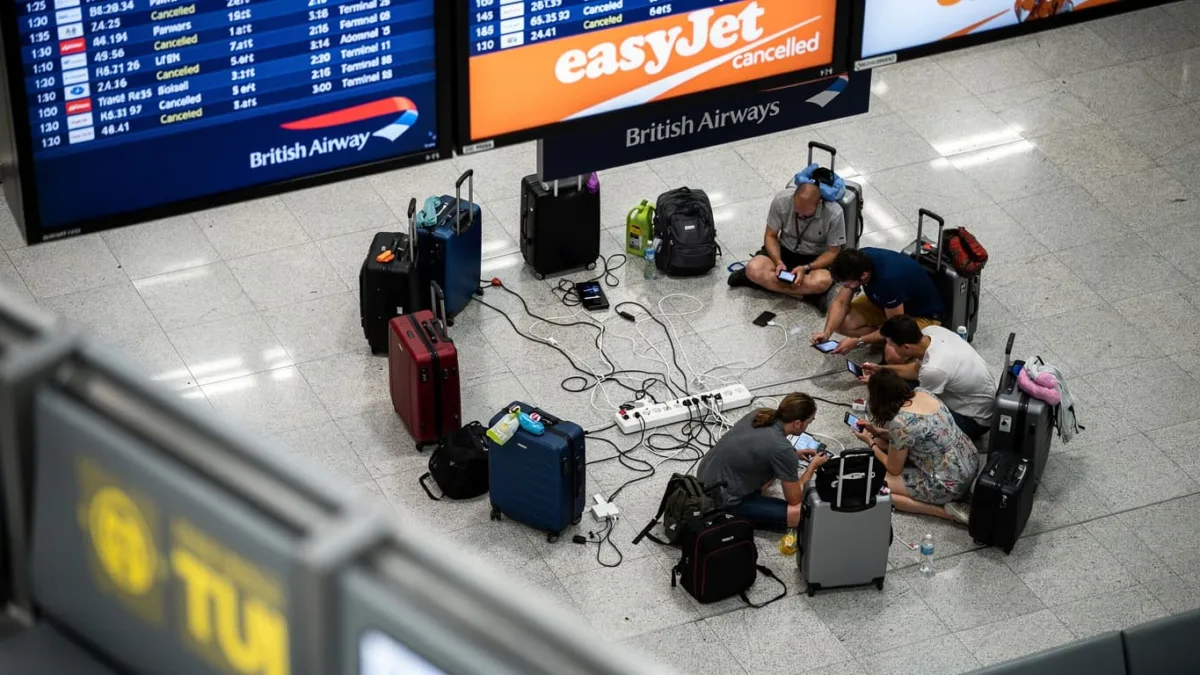
Flight cancellations can disrupt holidays, family visits, and business plans. When a flight is grounded because of fuel shortages, many passengers are unsure about their rights and whether they can claim cancelled flight compensation. The answer depends on the cause of the shortage, the airline’s responsibilities, and the circumstances surrounding the disruption. Understanding the rules can help travellers make informed decisions and avoid unnecessary confusion.
When Is a Fuel Shortage Considered an Extraordinary Circumstance?
Under UK and EU passenger rights regulations, airlines are not always required to pay compensation when a cancellation results from extraordinary circumstances beyond their control.
Whether a fuel shortage qualifies as an extraordinary circumstance depends on its underlying cause. Examples may include:
- National or regional fuel supply disruptions
- Industrial action affecting fuel suppliers, distributors, or refuelling services
- Unexpected airport fuel restrictions or infrastructure failures
- Severe geopolitical events, emergencies, or government-imposed restrictions
However, shortages resulting from an airline’s operational planning, logistical failures, or fuel management decisions may not exempt the airline from compensation obligations. Each case is assessed individually based on the specific facts and available evidence.
The Importance of the 14-Day Cancellation Rule
Passenger rights often depend on when the airline informs travellers about the cancellation.
If passengers are notified more than 14 days before departure, compensation is generally not payable, although alternative travel arrangements or refunds should still be offered.
When notice is provided less than 14 days before departure, passengers may qualify for compensation unless the airline can demonstrate extraordinary circumstances or has offered alternative travel arrangements that fall within the exemptions set out in UK261 regulations.
The timing of the notification remains one of the most important factors when determining eligibility.
What Airlines Must Provide After a Cancellation
Even when compensation is not available, airlines still have duties towards affected passengers.
These obligations may include:
- A full refund for the unused ticket
- Rebooking on an alternative flight
- Meals and refreshments during waiting periods
- Hotel accommodation if an overnight stay becomes necessary
- Transport between the hotel and airport when required
Travellers should keep receipts and records of expenses, as reimbursement may depend on supporting documentation.
Compensation Amounts and Delay Requirements
Passengers should understand that a cancellation does not automatically result in a payment. Eligibility depends on the reason for the disruption and the delay experienced after rebooking.
The following table shows the standard compensation levels under UK and EU regulations when compensation is payable:
| Flight Distance | Compensation Amount |
| Up to 1,500 km | £220 |
| 1,500 km to 3,500 km | £350 |
| Over 3,500 km | Up to £520 |
In many situations, the replacement flight must arrive significantly later than the original schedule before compensation can be considered. The exact delay requirement varies depending on flight distance and the re-routing offered by the airline.
Why Choose Skycop ?
Claiming compensation directly from an airline can sometimes be time-consuming. Passengers may need to gather evidence, interpret regulations, communicate with customer service teams, and respond to requests for additional information.
Skycop helps simplify this process by reviewing cases, assessing eligibility, and managing communication with airlines on behalf of passengers. This can reduce administrative work and help travellers better understand their rights without navigating complex procedures alone.
How Long Do Passengers Have to Make a Claim?
Claim deadlines vary depending on the country and applicable legal framework.
In England and Wales, passengers generally have up to six years to submit a UK261 claim, while in Scotland the limit is typically five years. Although these time limits are relatively generous, waiting too long can make it more difficult to gather documents and supporting evidence.
To strengthen a claim, travellers should retain:
- Booking confirmations
- Boarding passes
- Cancellation notices
- Expense receipts
- Correspondence with the airline
Submitting information promptly can help ensure a smoother review process.
Conclusion
Fuel shortages can create unexpected travel disruptions, but the availability of cancelled flight compensation depends largely on the underlying cause of the shortage and the circumstances surrounding the cancellation. Key factors include the cause of the shortage, the notice provided by the airline, and the delay resulting from any alternative travel arrangements. By understanding the rules regarding refunds, care obligations, and claim deadlines, travellers can respond more confidently when plans are affected and ensure they receive the support to which they are entitled.