
 By Backlinks Hub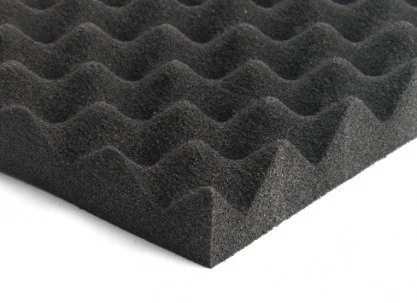
Introduction
Noise control in demanding environments is rarely just about making a space quieter. In industrial buildings, engine compartments, generator enclosures, transport equipment and specialist machinery, acoustic materials may also need to cope with heat, movement, airflow and elevated fire risk. Choosing a material that addresses several of these requirements at once can make a significant difference to both safety and performance.
Class 0 Foam is designed for applications where acoustic absorption needs to be combined with enhanced fire resistance. Treated with a mineral compound, this type of flexible open-cell polyurethane foam is engineered to resist combustion while providing useful sound absorption. Its adaptable structure also makes it suitable for installations where rigid acoustic boards may be difficult to fit.
Understanding What Makes Class 0 Foam Different
Not every acoustic foam is suitable for environments where fire performance is a major consideration. Traditional sound-absorbing materials may perform well acoustically but may not provide the characteristics required for higher-risk applications.
Class 0 Foam is specially treated to provide a nil burn-rate classification and does not readily support combustion. This makes it particularly relevant to areas where both acoustic control and fire-conscious material selection are important.
Its open-cell construction helps absorb sound energy rather than simply reflecting it back into the surrounding environment. As sound waves enter the foam structure, energy is dissipated through the material, helping to reduce unwanted noise and reverberation.
Another important characteristic is flexibility. The material can be cut, shaped or adapted to suit different surfaces, including curved and irregular areas. This versatility is valuable when acoustic treatment has to be installed around machinery, inside vehicle compartments or within engineered enclosures.
Where Can Impregnated Class 0 Foam Be Used?
The versatility of Impregnated Class 0 Foam allows it to serve a broad range of commercial and industrial purposes. Its combination of fire resistance, acoustic absorption and flexibility makes it especially useful where conventional soundproofing materials may be impractical.
1. Engine Rooms and Machinery Spaces
Engine rooms can generate substantial levels of mechanical and airborne noise. Continuous exposure to machinery sounds can affect working conditions and may also create acoustic problems in nearby areas.
Class 0 foam can be incorporated into suitable acoustic treatments around machinery spaces to help absorb unwanted sound. Its flexible format makes it easier to install around pipes, equipment and other components where flat rigid panels may not provide complete coverage.
2. Generator Canopies
Generators produce a mixture of engine, exhaust and mechanical noise. Enclosures can help control this sound, but the acoustic material used inside them needs to be selected with the operating environment in mind.
Fire-resistant acoustic foam can provide sound absorption within generator canopies while supporting a broader approach to fire-conscious enclosure design.
3. Automotive and Heavy Vehicles
Heavy vehicles often contain compact areas where engine and mechanical noise can become concentrated. Acoustic materials may be required in cabin trim panels, headliners and other internal locations.
The flexibility of Class 0 profile foam allows it to follow complex shapes and fit into confined spaces. A fabric-facing option can also be considered for applications where the finished appearance and surface protection are important.
4. Marine Applications
Marine environments can present their own combination of acoustic, temperature and safety requirements. Equipment compartments and enclosed machinery areas may benefit from materials that can provide acoustic absorption while being available with suitable protective facings.
For specialist marine or high-temperature applications, Class 0 foam can be supplied with foil-facing or combined barrier configurations designed around the requirements of the installation.
The Acoustic Benefits of High-Density Foam
Fire resistance is only one part of the equation. A successful acoustic material must also perform effectively in controlling sound.
High-density Class 0 profile foam provides strong sound-absorption characteristics and can be used where reducing reflected noise is a priority. This is particularly useful in machinery rooms, generator enclosures and industrial environments where hard surfaces can cause sound to bounce repeatedly around a space.
Reducing reflected sound can help create a more controlled acoustic environment. Depending on the installation, this may contribute to improved communication, reduced reverberation and a more comfortable working atmosphere.
The non-fibrous construction also offers practical advantages. Unlike some fibrous acoustic materials, the foam does not shed fibres in the same way and is designed to resist erosion or migration caused by air movement. This characteristic can be valuable in ventilation-related or mechanically active environments.
Key Benefits of Class 0 Foam
Selecting an acoustic material is about more than its headline specification. Installation, handling, environmental considerations and long-term practicality all matter.
Some of the notable advantages include:
Fire-Resistant Characteristics
The mineral treatment gives the foam enhanced resistance to burning and makes it suitable for applications where fire performance is an important consideration.
Excellent Sound Absorption
The cellular structure helps absorb unwanted acoustic energy, making the material useful for controlling machinery and engine noise.
Flexible and Easy to Shape
The foam can be cut and adapted to different dimensions, making it practical for curved surfaces, irregular spaces and custom acoustic assemblies.
Non-Fibrous Construction
Its non-fibrous structure can be advantageous in environments where material migration or airborne fibres are a concern.
CFC and HCFC Free
The product range described in the supplied information is available without CFCs and HCFCs, supporting material-selection requirements where these substances are undesirable.
Self-Adhesive Options
For certain installations, self-adhesive backing can simplify fitting and reduce the need for additional mechanical fixing methods.
Multiple Supply Formats
The material can be supplied in sheets, rolls, facing configurations and profiled forms, giving designers and installers more flexibility when planning an acoustic solution.
Combining Foam With Other Acoustic Materials
One of the most useful aspects of Class 0 acoustic foam is that it does not necessarily have to be used as a standalone product.
Depending on the project, the foam can be supplied with different facing materials or spray-applied surface coatings. Composite constructions can also incorporate materials such as lead foil, polymeric barriers and damping sheets.
This opens the door to more tailored acoustic assemblies.
For example, an installation may require sound absorption on one side and additional sound-blocking or vibration-control characteristics elsewhere. Combining different material technologies can help address these requirements as part of a single engineered solution.
The correct combination depends on the source of the noise, the available space, temperature conditions, fire requirements and the construction of the enclosure or equipment being treated.
Why Custom Manufacturing Can Matter
Industrial acoustic requirements are rarely identical from one project to another. A standard sheet may be suitable for one application, while another may require precisely cut sections or components shaped around equipment.
Custom manufacturing can therefore be an important consideration when selecting acoustic foam.
Specialist manufacturers can process foam from sheets, blocks and rolls using cutting and machining technologies to create components according to individual specifications. Custom-cut kits and moulded parts can help reduce installation difficulties and provide a closer fit around complex equipment.
This approach can be especially useful for manufacturers of vehicles, machinery, generators and industrial equipment, where acoustic components may need to fit within established product designs.
Choosing the Right Acoustic Solution
Before ordering Class 0 Foam, it is worth assessing the actual conditions in which the material will be installed.
Consider the following factors:
- What is the primary source of noise?
- Is the goal sound absorption, sound blocking, vibration control or a combination?
- What temperatures will the material encounter?
- Is the installation exposed to significant airflow?
- Are there curved or unusually shaped surfaces?
- Does the application require a particular facing?
- Will the material need adhesive backing?
- Are there specific fire-performance requirements?
- Would a composite acoustic construction provide better results?
Answering these questions helps ensure that the selected foam configuration matches the real demands of the project rather than simply choosing a material based on one specification.
Quality, Experience and Technical Support
For specialist acoustic applications, product quality is only one part of the equation. Technical knowledge and manufacturing experience can be equally valuable.
An experienced foam manufacturer can help customers consider material density, profile, facing, dimensions and composite construction according to the intended application. This is particularly useful for industrial projects where the acoustic component must integrate with machinery or a wider enclosure design.
Established manufacturers with dedicated technical teams can also support custom requirements, helping businesses move from a general acoustic problem toward a practical manufactured component.
Quality management is another important consideration. Manufacturing systems supported by recognised quality standards can provide additional confidence when acoustic components are being incorporated into commercial or industrial products.
Conclusion
Modern industrial environments often demand acoustic materials that can do more than simply absorb sound. Fire performance, flexibility, durability, installation requirements and compatibility with other acoustic technologies can all influence the final material choice.
Class 0 Foam offers a versatile option for applications where fire-resistant characteristics and sound absorption need to work together. Its flexible open-cell construction, range of formats and compatibility with facings and composite barriers make it suitable for applications ranging from engine rooms and generator canopies to heavy vehicles, marine equipment and industrial machinery.
For projects involving complex shapes or demanding operating conditions, Impregnated Class 0 Foam can also be adapted into more specialised configurations. By assessing the noise source, environment and installation requirements before selecting a product, businesses can develop acoustic treatments that are practical, targeted and better suited to the conditions in which they will operate.
The key is not simply choosing an acoustic foam, but selecting the right construction for the specific challenge. With appropriate technical guidance and custom manufacturing capabilities, fire-conscious acoustic control can become a practical part of modern equipment and enclosure design.